
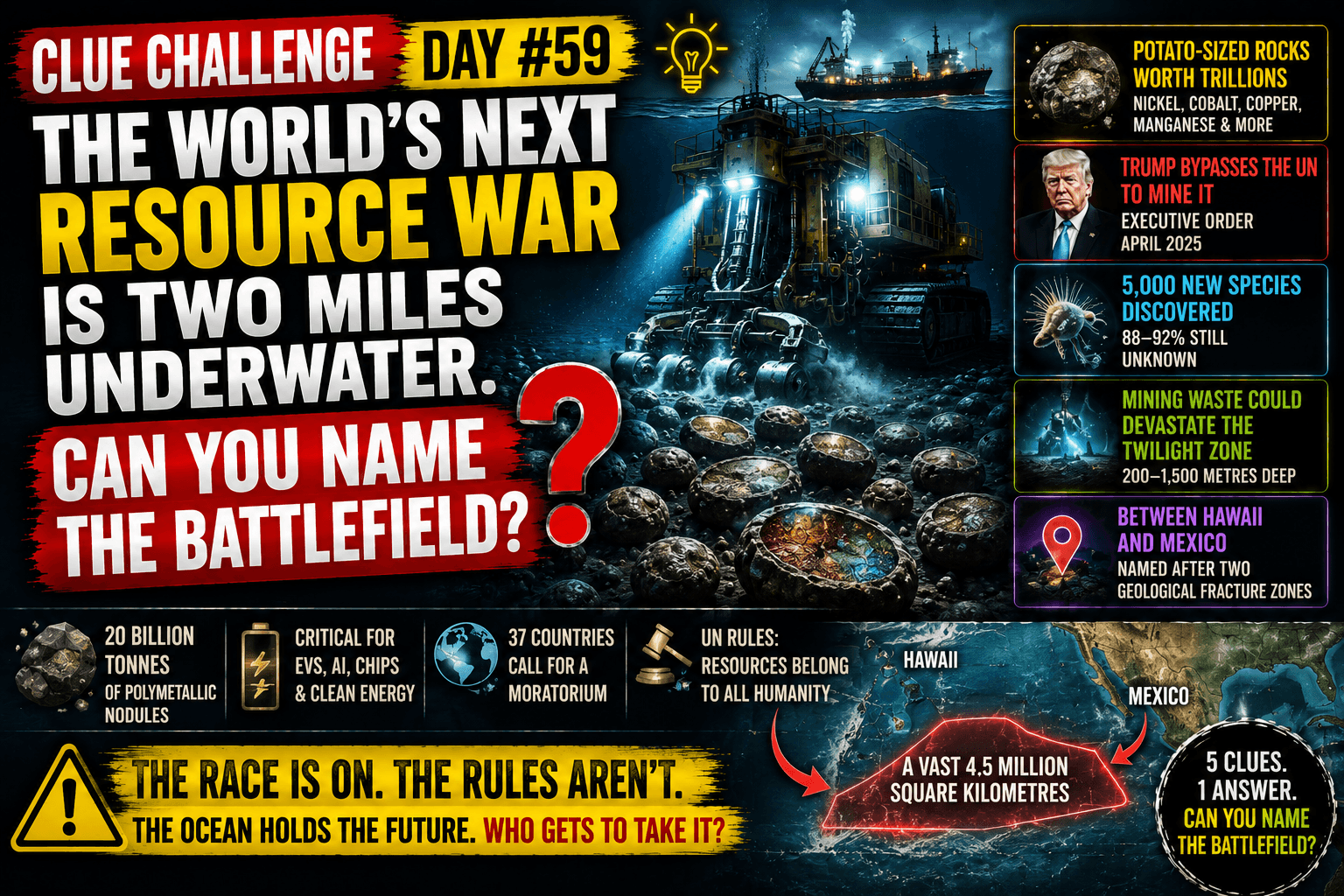
One zone. Five clues. 5,000 unknown species. Trump just bypassed the UN to mine it. All real. Two miles beneath the Pacific Ocean, the seafloor is carpeted with potato-shaped rocks that took millions ...
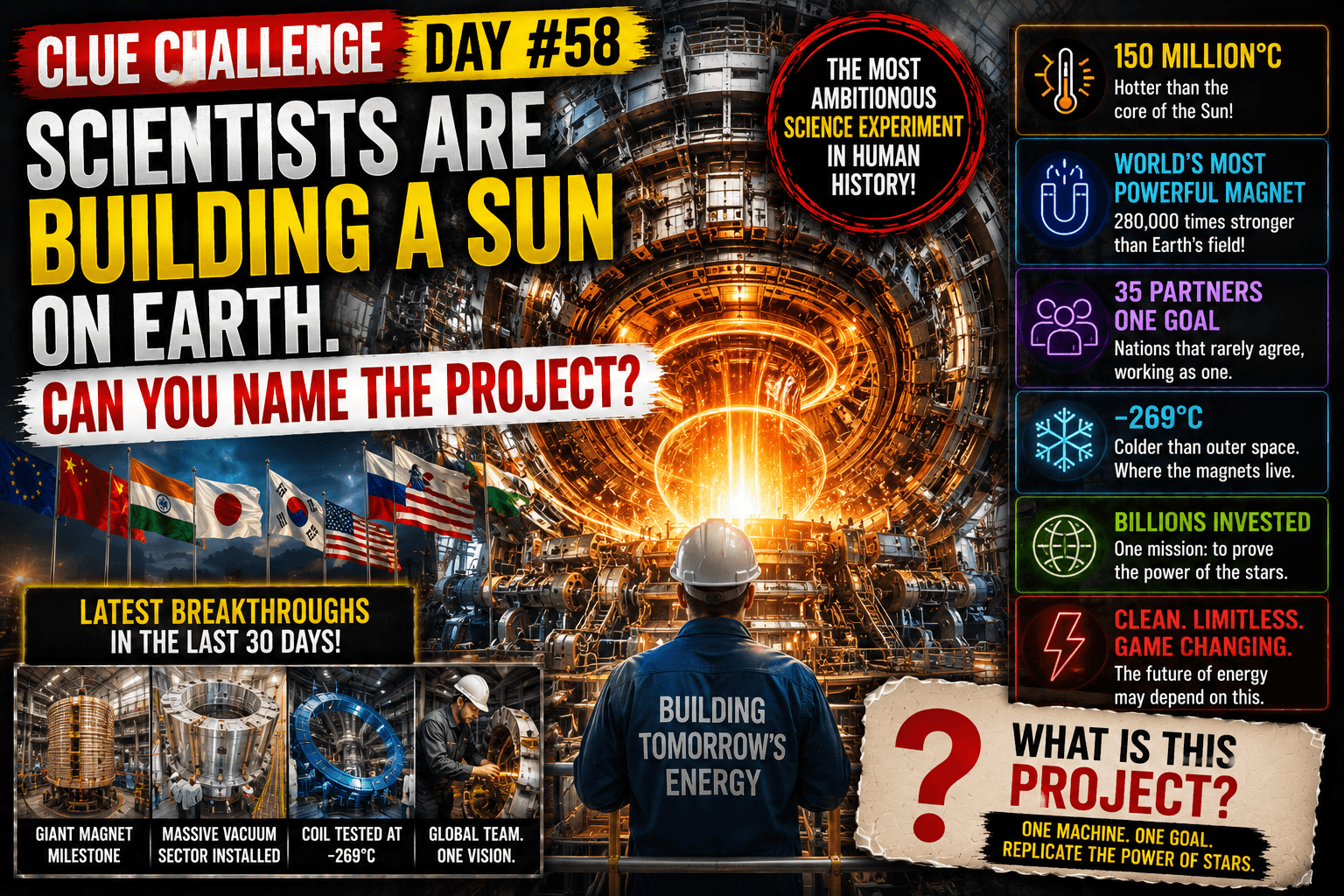
One project. Six clues. 35 partners. More than €20+ billion invested. The largest scientific machine ever assembled to imitate a star. In southern France, engineers are constructing a machine capable ...
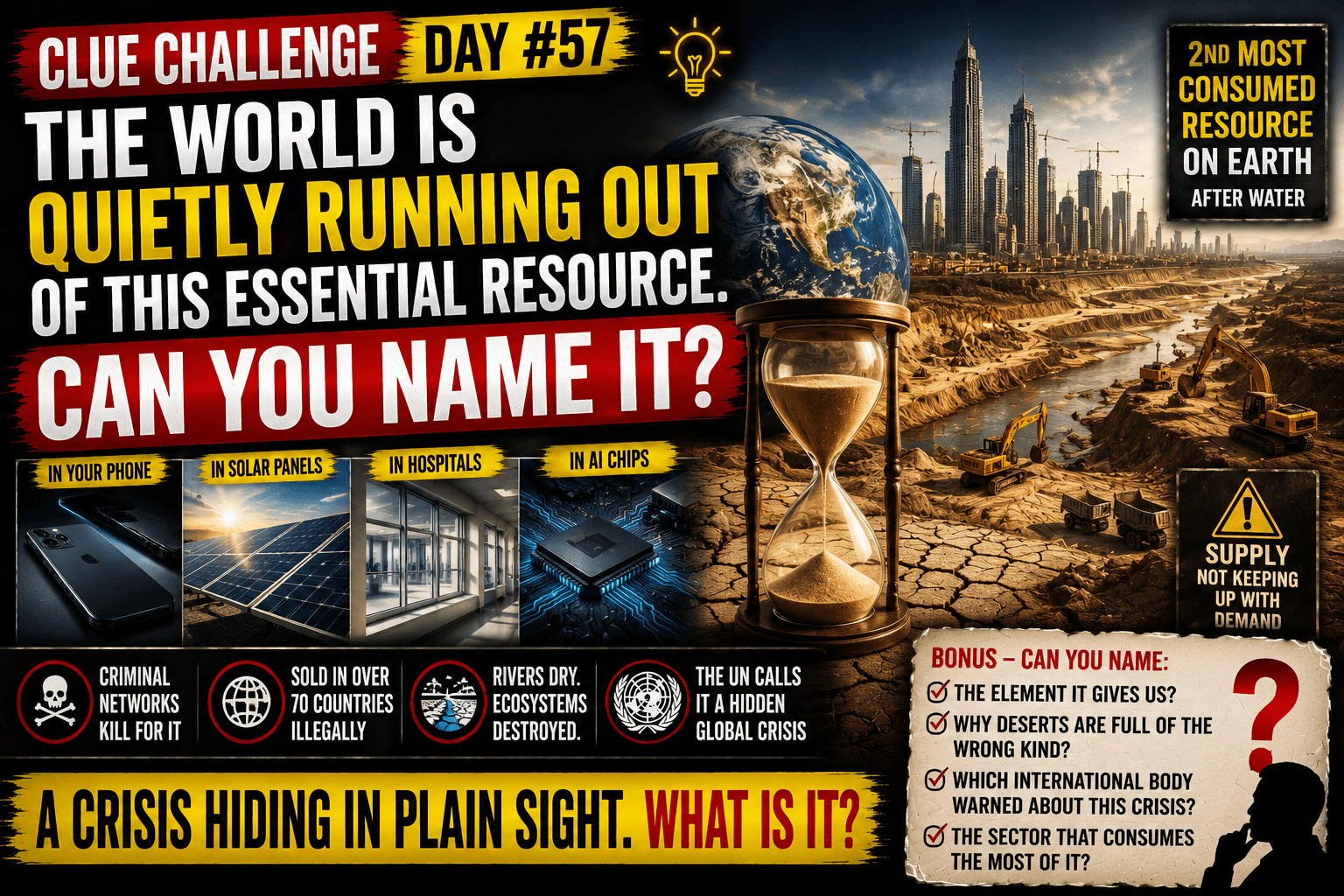
One resource. Five clues. The second most consumed substance on Earth. Criminals are killing for it. You walk on it every day. All real. All 2025–2026. It is in your phone, your home, your roads, and ...
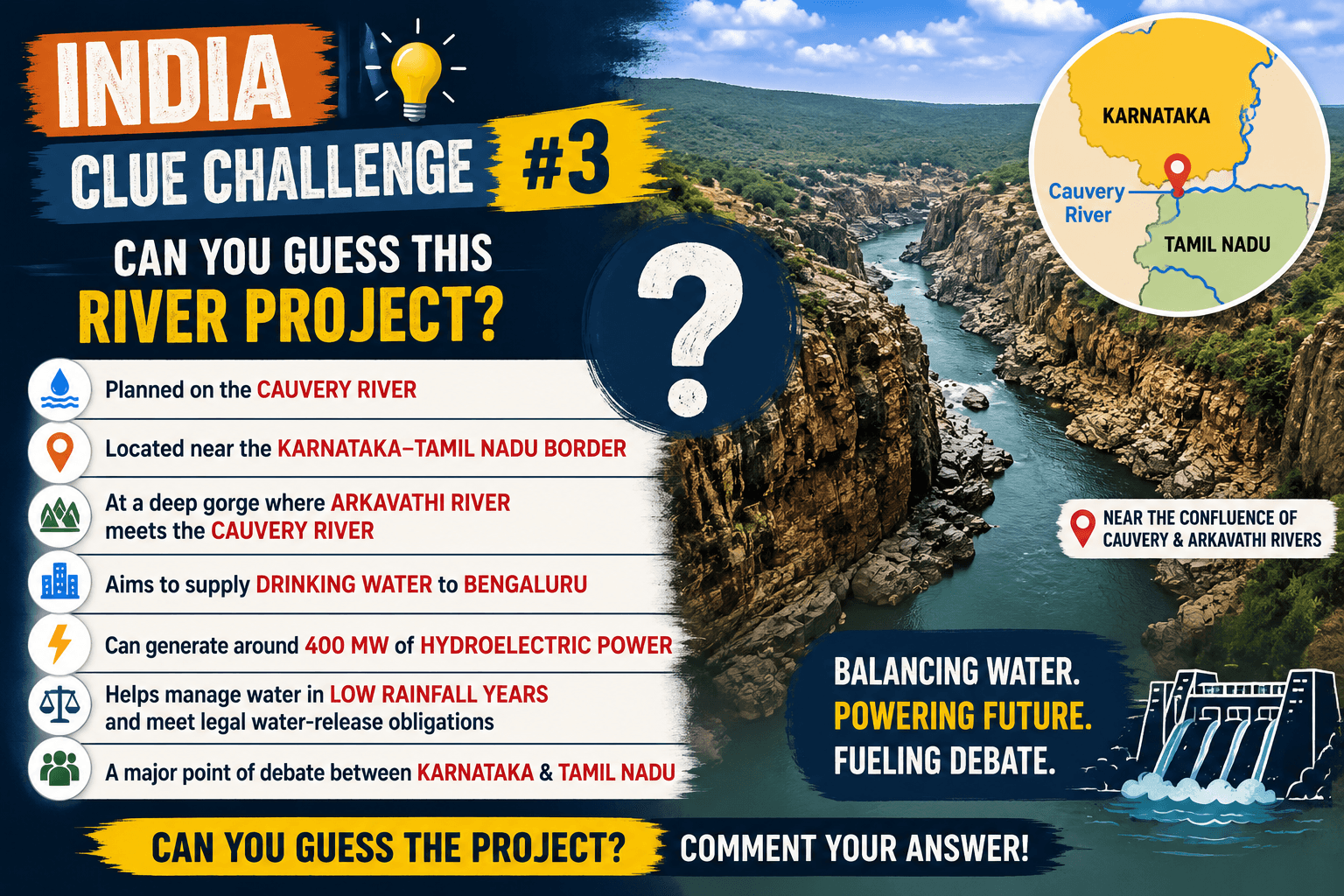
Welcome to India Clue Challenge #3! India’s major infrastructure projects often combine engineering, geography, politics, and environmental concerns. Today’s challenge is about a proposed ...
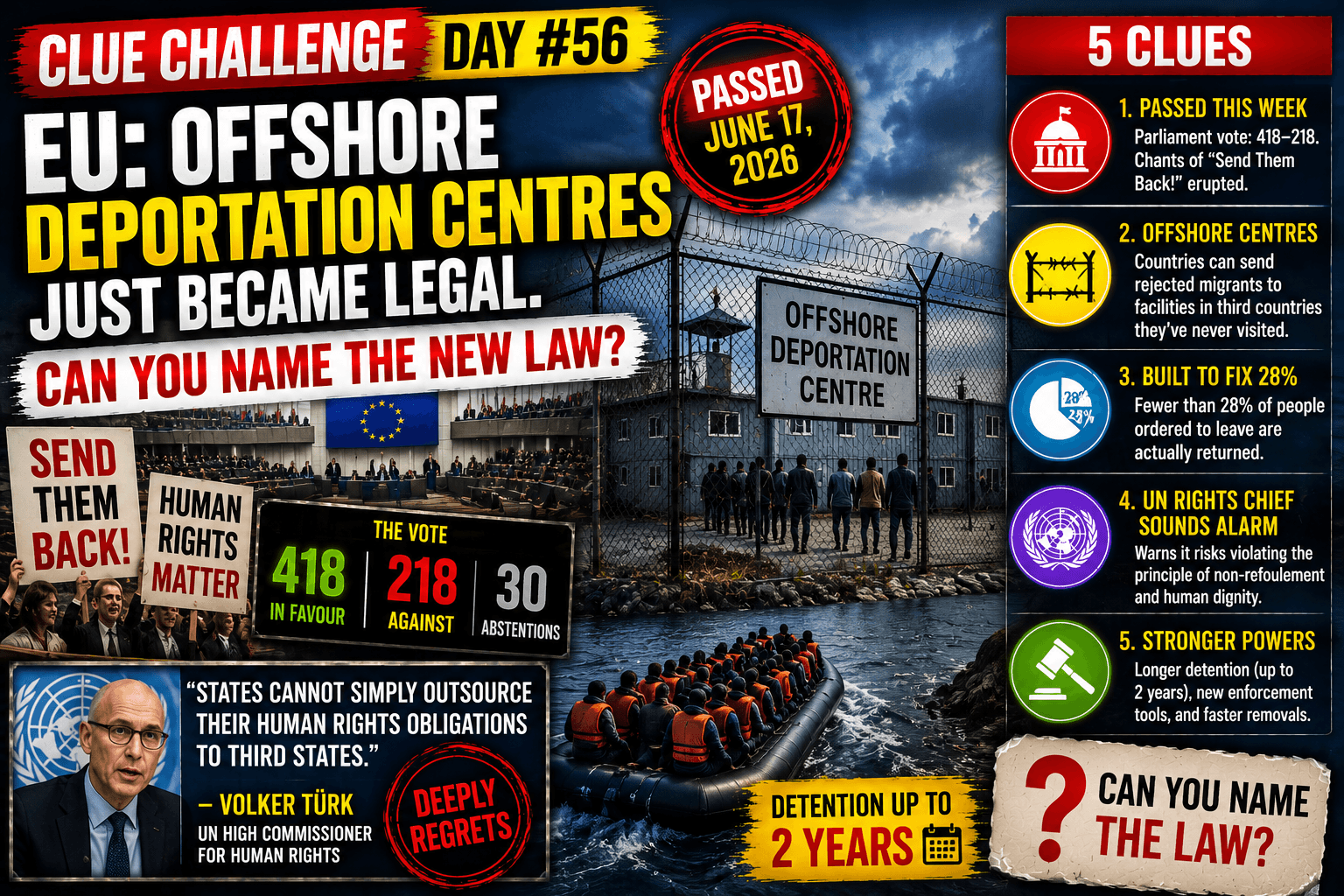
One law. Five clues. Passed June 2026. Praised as necessary. Condemned as dangerous. Already reshaping migration policy across Europe. All real. A parliament erupted into cheers and protests. Human-ri...
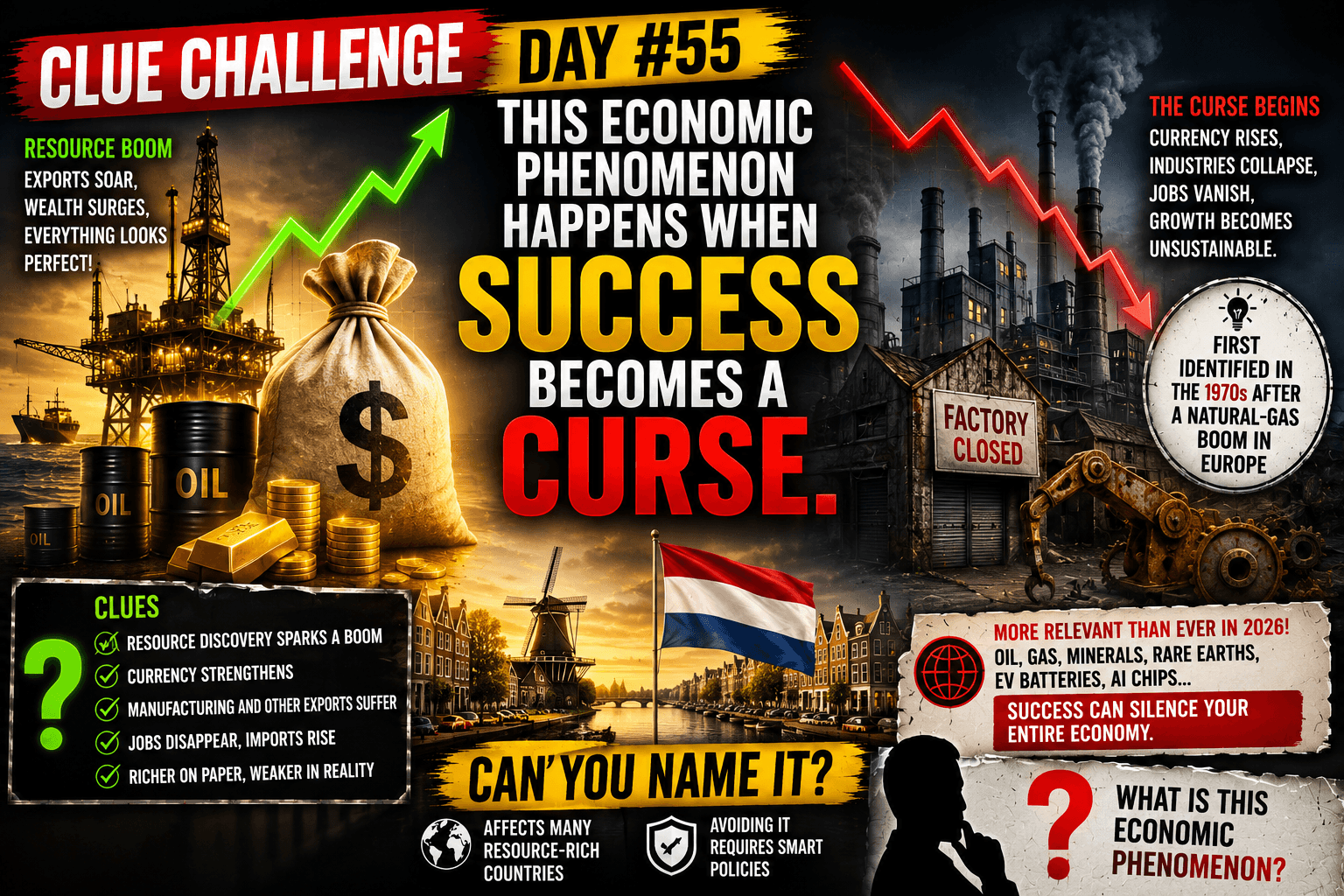
Five clues. Richer on paper. Poorer in reality. More relevant in 2026 than ever. All real. A country discovers something valuable. Oil. Gas. Minerals. Rare earths. AI chips. Export revenues explode. I...
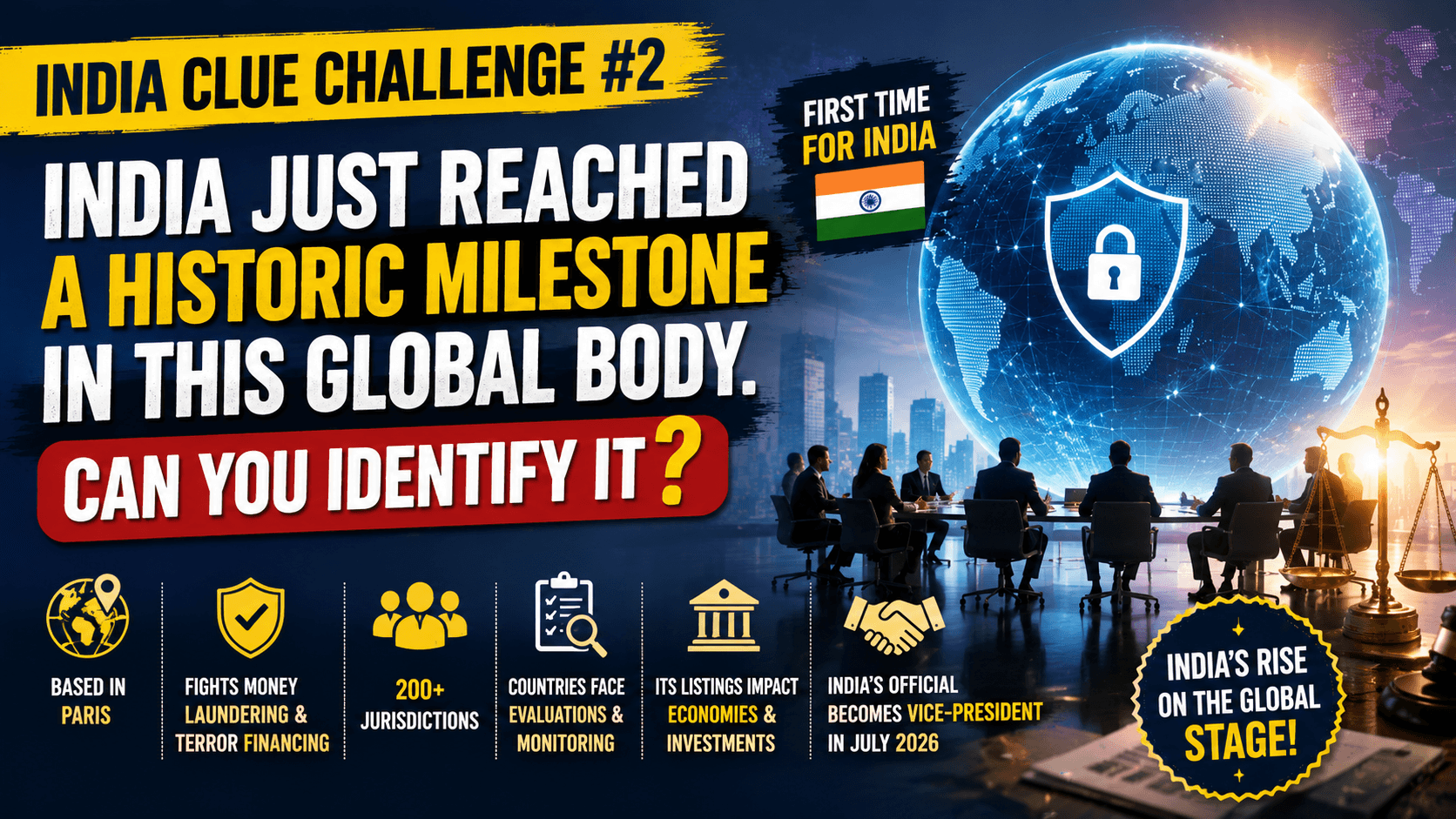
Six clues. One organization. Can you guess the answer before the final hint? India has achieved a major diplomatic milestone. For the first time, an Indian official has been appointed Vice-President o...
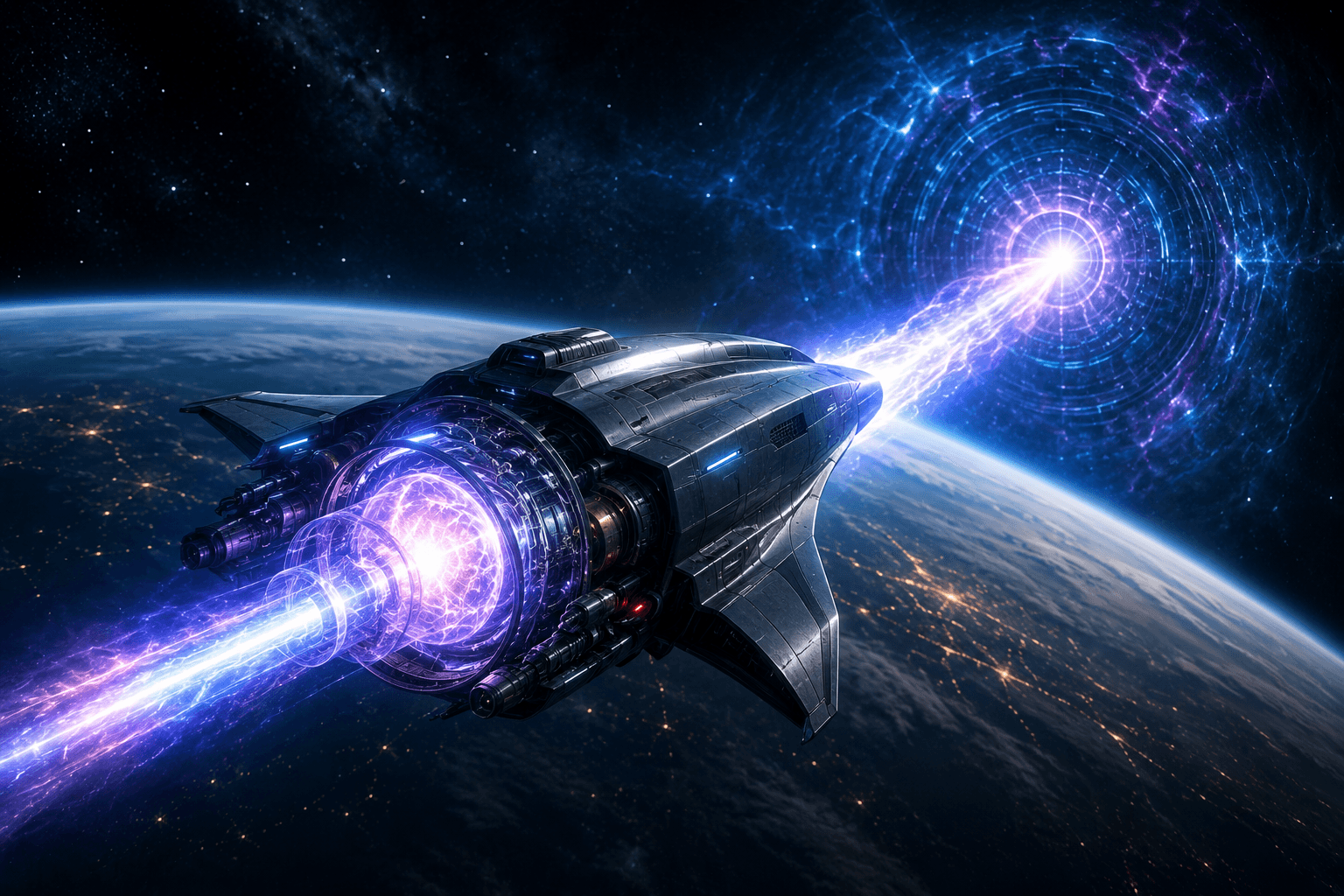
When Elon Musk posted this week that humanity will one day spend “a trillion times a trillion dollars” making antimatter to travel to other star systems — and then clarified in a follow-up...
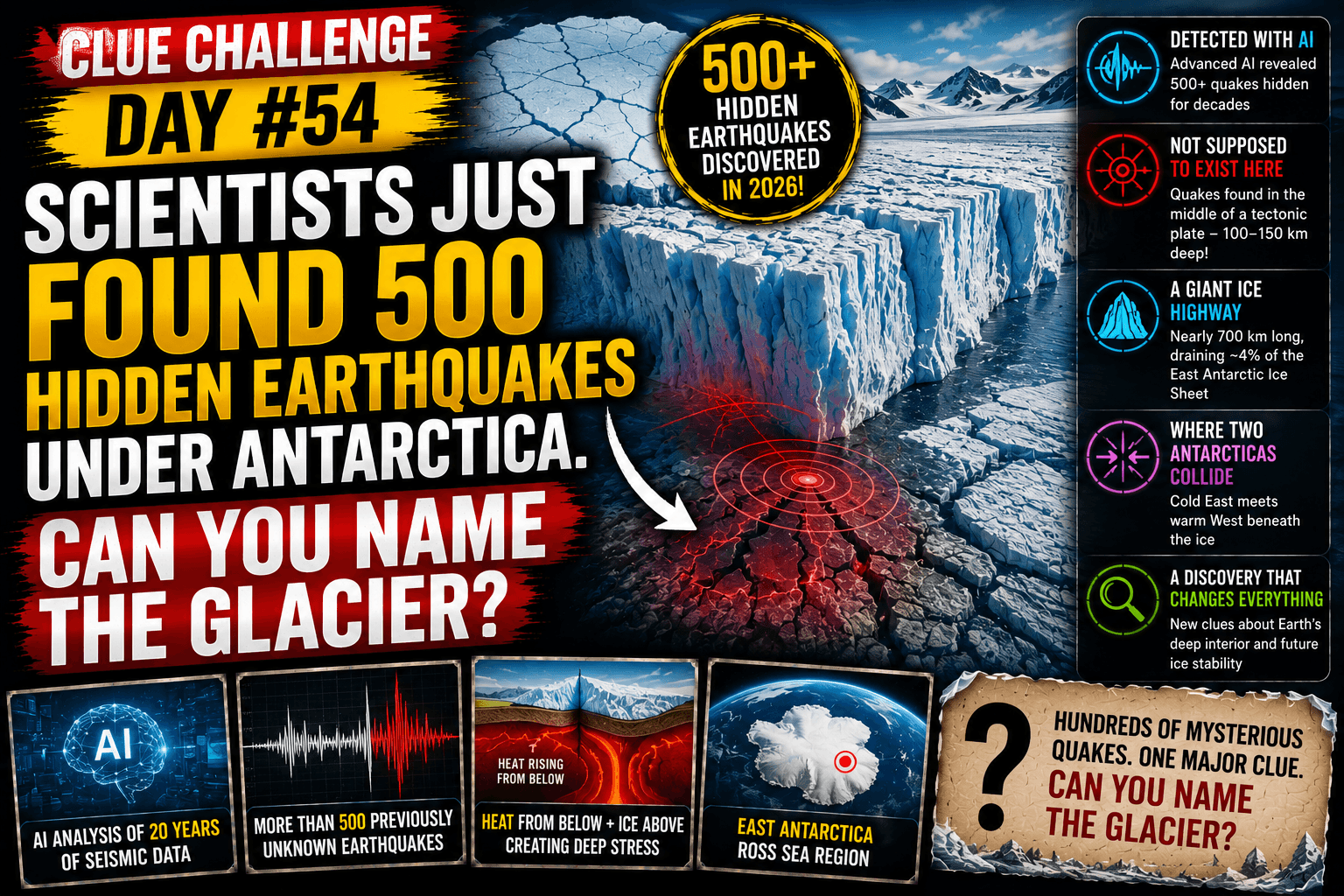
One glacier. Five clues. 500 hidden earthquakes. AI-powered discovery. A frozen giant now making headlines worldwide. Scientists recently uncovered more than 500 previously unknown earthquakes deep be...
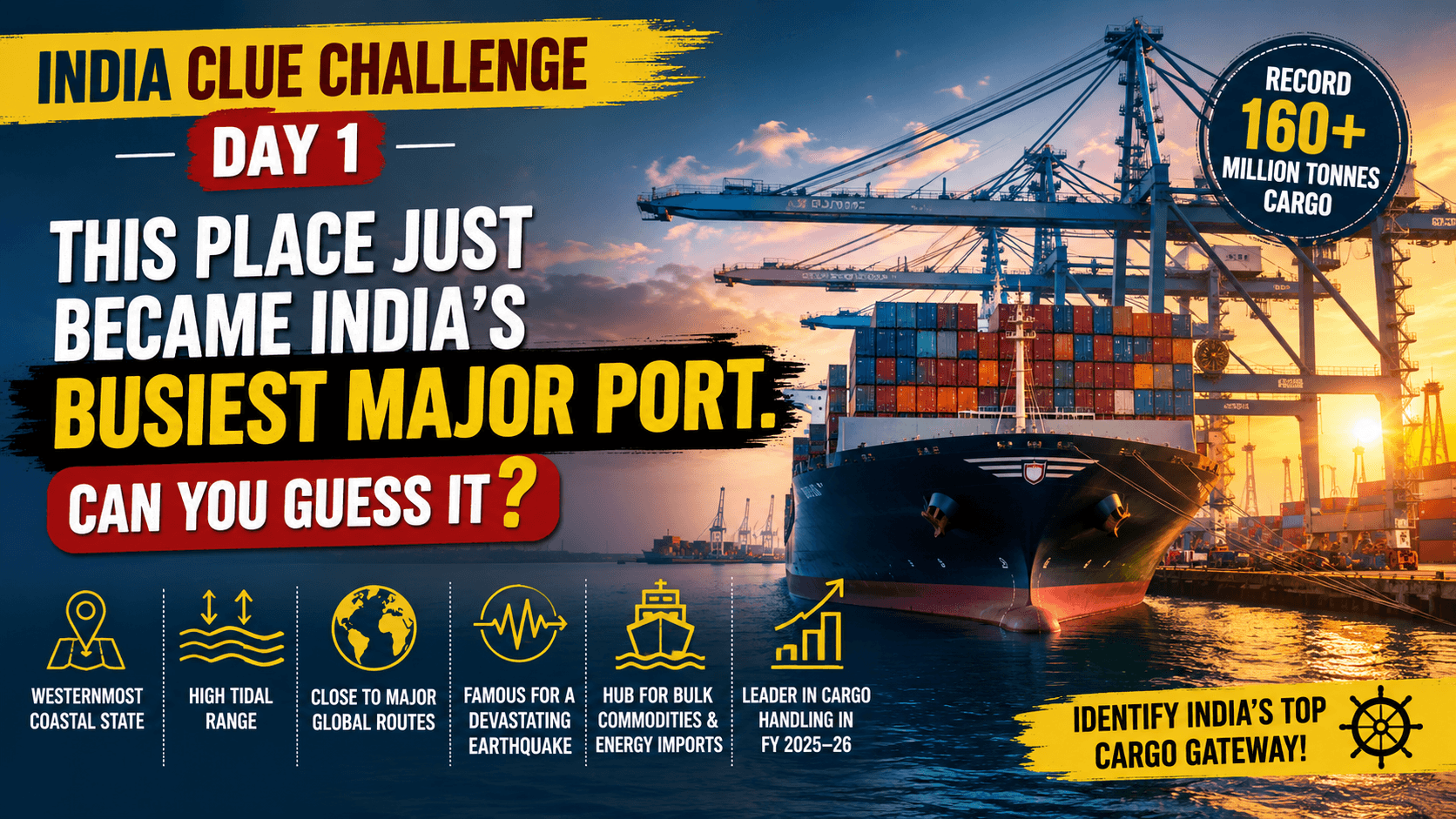
Six clues. One answer. A record-breaking achievement. Can you guess the place? India’s maritime sector has reached a new milestone. In FY 2025–26, India’s major ports collectively handled ...