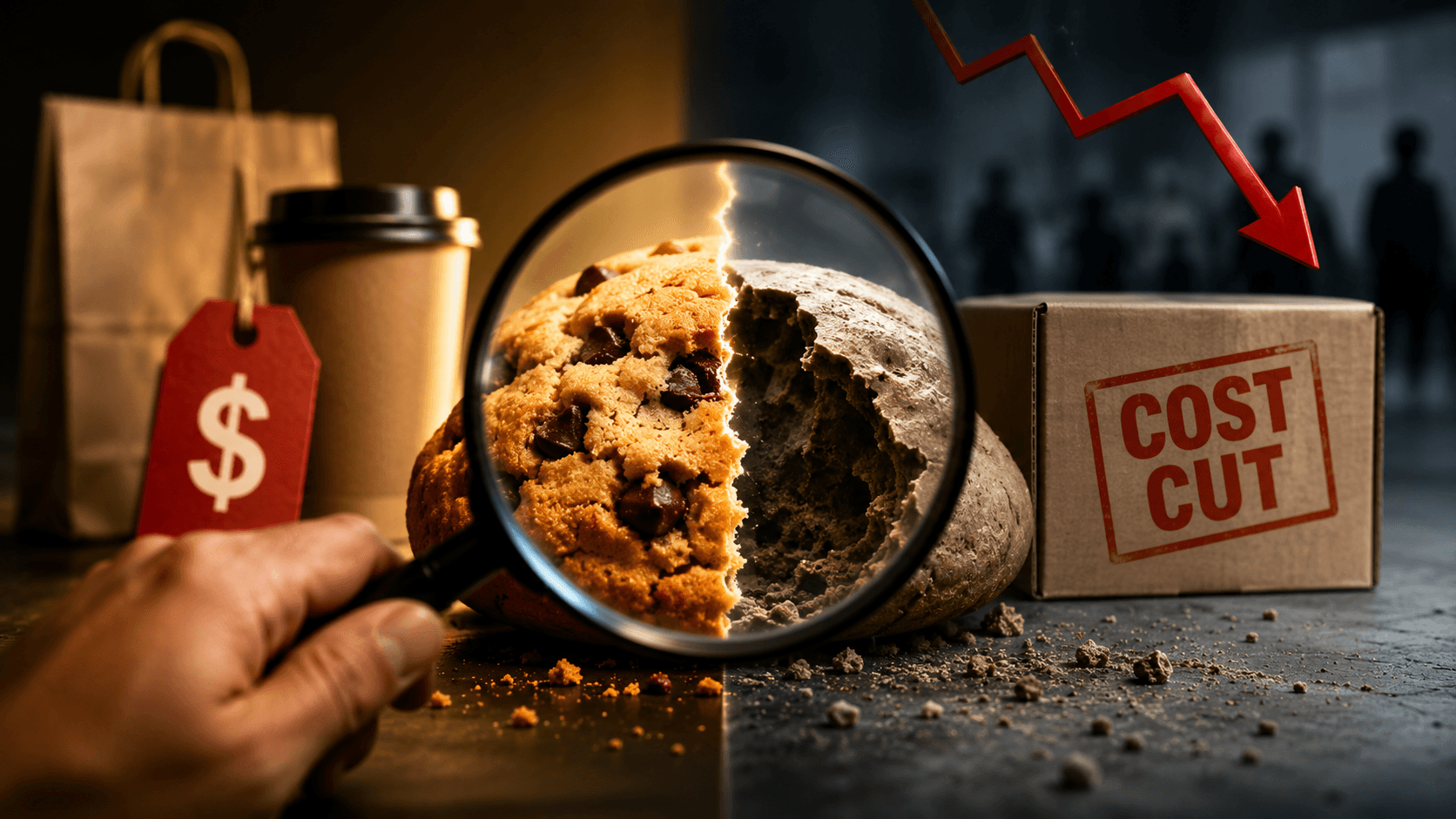
Most consumers have heard of inflation, shrinkflation (smaller packs), and cheapflation (cheaper ingredients). But a new trend called Skimpflation is changing the economy in a more subtle way.
Instead of charging more or reducing product quantity, companies are cutting the quality of products or services while keeping prices largely unchanged. The result? Consumers pay the same—or even more—but receive less value.
What Is Skimpflation?
Skimpflation refers to the deliberate reduction in the quality, service, durability, or customer experience of a product without a proportional reduction in price.
Unlike shrinkflation, where the package gets smaller, skimpflation is often invisible. Companies save money by reducing labor, using lower-grade materials, shortening support services, or eliminating features.
In simple terms:
Shrinkflation = Less Quantity
Skimpflation = Less Quality
Why Is Skimpflation Rising?
Businesses are facing multiple cost pressures:
- Higher wages
- Rising energy costs
- Expensive raw materials
- Supply chain disruptions
- Pressure to maintain profit margins
- Investor expectations for continuous earnings growth
Instead of increasing prices—which may discourage customers—many firms quietly reduce quality or service standards.
Real-World Examples
Airlines
Many airlines now charge separately for:
- Checked baggage
- Seat selection
- Meals
- Priority boarding
Meanwhile, customer service staffing has declined, making complaint resolution slower.
Hotels
Several hotels have reduced:
- Daily room cleaning
- Complimentary toiletries
- Reception staff
- Breakfast options
while room prices continue to rise.
Fast Food
Restaurants increasingly:
- Reduce portion quality
- Replace premium ingredients with cheaper substitutes
- Introduce self-service kiosks while reducing staff
Customers pay similar prices but perform more of the service themselves.
Streaming Platforms
Subscription prices have increased while:
- Advertisements return on lower-priced plans.
- Password sharing restrictions tighten.
- Exclusive content is reduced or fragmented.
Banking & Digital Services
Banks encourage customers to use chatbots instead of human agents.
Many companies now provide:
- Longer waiting times
- AI-only customer support
- Limited phone assistance
Consumers effectively perform tasks once handled by employees.
Skimpflation in the AI Era
Artificial intelligence has created a new form of skimpflation.
Many organizations replace experienced customer support teams with AI chatbots that struggle with complex issues. Human assistance becomes difficult to access unless customers pay for premium services.
In some cases, consumers spend more time solving problems themselves than before automation.
Skimpflation vs Other Types of Inflation
| Type | What Changes? |
|---|---|
| Inflation | Prices increase |
| Shrinkflation | Quantity decreases |
| Cheapflation | Lower-quality ingredients/materials |
| Skimpflation | Quality or service declines |
The Hidden Cost to Consumers
Unlike price inflation, skimpflation is difficult to measure.
Consumers may experience:
- Longer waiting times
- Lower product durability
- Poorer customer service
- More self-service responsibilities
- Reduced trust in brands
The economic loss is often measured in time, convenience, and user experience, rather than money alone.
Why Economists Are Paying Attention
Traditional inflation measures such as the Consumer Price Index (CPI) mainly track changes in prices. However, they often fail to capture declines in service quality.
If consumers pay the same price but receive poorer products or inferior services, their real purchasing power still falls—even if official inflation appears stable.
Some economists argue that skimpflation represents a hidden erosion of consumer welfare that conventional inflation statistics underestimate.
Why It Matters
Skimpflation reflects a broader shift in modern capitalism, where companies increasingly optimize for quarterly earnings rather than long-term customer value. As automation, cost-cutting, and shareholder pressure intensify, businesses risk damaging consumer trust by quietly lowering standards instead of openly raising prices.
For consumers, the challenge is no longer just finding the cheapest product—it is identifying which brands continue to deliver genuine value.
Key Takeaway
Skimpflation is one of the most overlooked economic trends of the decade. Rather than reducing package sizes or raising prices, companies quietly reduce quality, service, and customer experience. In an era driven by AI, automation, and relentless cost optimization, the real question is no longer “How much does it cost?” but “How much value are you actually receiving?”