
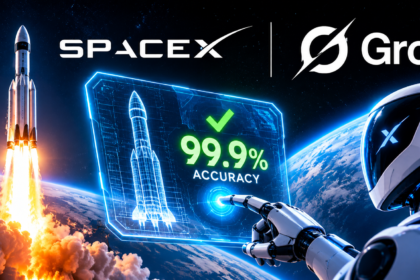
SpaceX uses Grok to review borescope footage of rocket components, achieving 99.9% accuracy in detecting debris compared to humans’ 94%. Vice President Kiko Dontchev shared this at last week’s U...
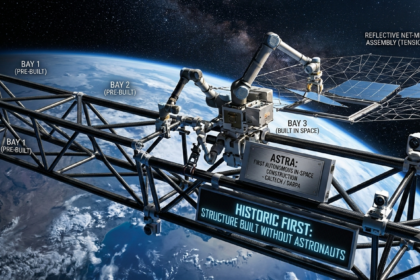
A robot has successfully assembled part of a structure in space without direct human intervention, marking a major step towards autonomous space manufacturing. Developed by researchers at the Californ...
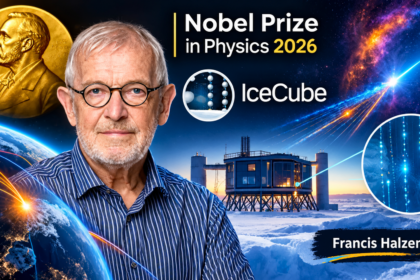
The Nobel Prize in Physics 2026 has been awarded to Belgian-born physicist Francis Halzen of the University of Wisconsin–Madison for his decisive contributions to the IceCube Neutrino Observatory and ...
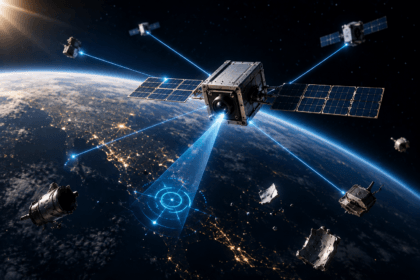
NASA has demonstrated a new way for spacecraft to navigate without relying on GPS. Its experimental FALCON system allows a satellite to identify other spacecraft and orbital debris as reference points...
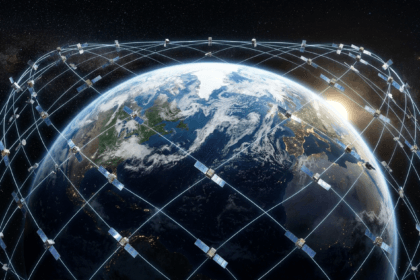
Russia is accelerating work on Rassvet, a low-Earth-orbit satellite network that could eventually give its military something it has lacked throughout much of the Ukraine war: resilient, high-speed co...
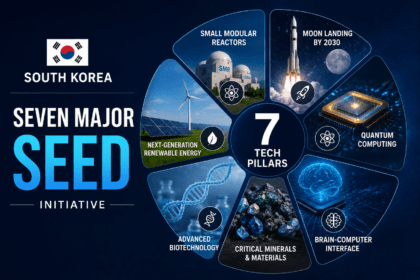
South Korea has unveiled an ambitious long-term technology strategy called the “Seven Major SEED” initiative, aiming to build new engines of economic growth beyond its traditional strengths in semicon...
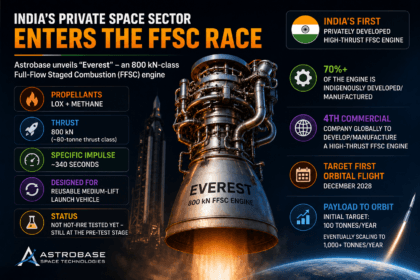
Key caveat: This is a major propulsion-development milestone, but Everest is not yet a flight-proven engine. Hot-fire testing, qualification and vehicle integration are still ahead. Join Our Insights ...
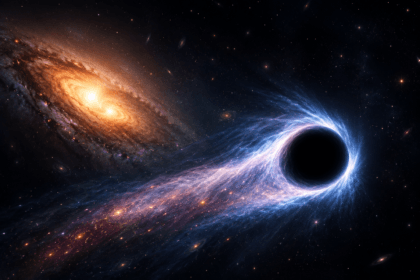
Astronomers have uncovered one of the most extraordinary cosmic objects ever observed—RBH-1, a runaway supermassive black hole racing through intergalactic space at nearly 1,000 km/s. Unlike most supe...

When people hear the word helium, they usually think of balloons floating in the sky. But in today’s technology-driven world, helium has become one of the most valuable strategic resources on Ea...
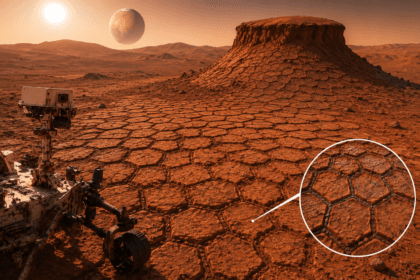
For more than 14 years, NASA’s Curiosity rover has rewritten what we know about Mars. It has uncovered ancient lakebeds, sulfur crystals, organic molecules, and evidence that the Red Planet once...