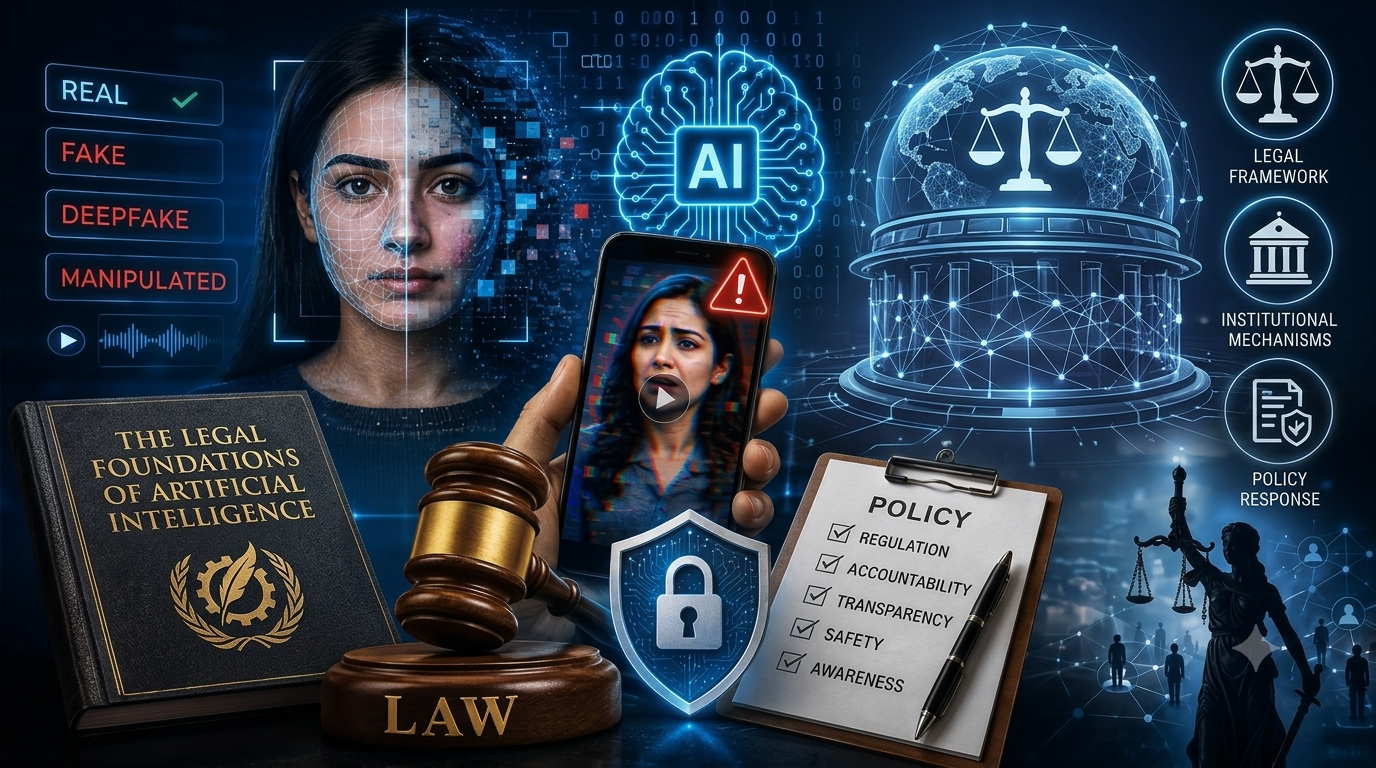
AI regulation efforts 2026 focus on public government frameworks (EU AI Act updates, US executive actions and state laws, international coordination) and private sector self-regulation (White House Accord on Super Intelligence, industry standards bodies, company safety protocols). These developments address frontier AI models, high-risk systems, transparency, biosecurity, cybersecurity, and liability amid rapid capability growth.
EU AI Act 2026 and Digital Omnibus Updates
The EU AI Act (Regulation 2024/1689) remains the most comprehensive binding public framework. General application and Article 50 transparency rules (chatbot disclosure, synthetic content marking, deepfake labelling) applied from 2 August 2026.
The Digital Omnibus on AI (Regulation 2026/1744, in force July 2026) delayed high-risk obligations:
- Stand-alone Annex III systems (e.g., employment, credit, education, essential services): from 2 December 2027.
- AI embedded in regulated products (Annex I): from 2 August 2028.
New prohibitions apply from 2 December 2026 on AI systems generating non-consensual intimate imagery or child sexual abuse material. GPAI model rules, prohibitions on certain practices, and AI Office enforcement powers (including fines) are already active. Harmonised standards and codes of practice support compliance.
US AI Regulation 2026: Federal, State, and Preemption Battles
The United States lacks a comprehensive federal AI statute. Policy relies on executive orders emphasizing innovation, infrastructure, and voluntary measures under the Trump administration, alongside active state legislation.
Key federal developments include:
- Executive Order 14409 (June 2026) establishing a voluntary framework for federal review of frontier AI models (up to 30 days pre-release access for designated models).
- White House Accord on Super Intelligence (September 2026), signed by Anthropic, Google, Meta, Nvidia, OpenAI, and xAI, committing to internal controls, outside auditors, and board-level review (non-binding).
- Super Intelligence Force and related task forces focused on cybersecurity, biosecurity, dual-use risks, and model control.
- National AI Policy Framework recommendations pushing federal preemption of certain state AI laws while preserving areas like child safety and general applicability rules.
States drive binding rules. California’s Transparency in Frontier AI Act (SB 53) took effect January 2026 for large models. New York’s RAISE Act requires frontier AI developer registration by January 2027 (portal opened November 2026). Colorado and others refined automated decision-making and related laws. Over 100 AI-related state laws were enacted or advanced in 2026.
The November 2026 midterms shifted congressional majorities to Democrats (effective January 2027), increasing potential for hearings and oversight while comprehensive legislation faces filibuster hurdles. Preemption remains contested.
Other Public and International AI Governance 2026
- China: Accelerating lifecycle AI safety legislation covering data to compute.
- Australia: Accepted recommendations for mandatory AI incident reporting and plans for an AI safety regulator and standards legislation requiring security controls, independent evaluation, and frameworks for frontier companies.
- UK and others: Investments in AI biosecurity labs, security institutes, and agentic AI cyber shields. International “Call for Control of Frontier AI Models” endorsed by dozens of countries and the EU, emphasizing transparent safety protocols, pre-deployment testing, and independent evaluation.
- Bilateral US-China channels for AI incidents and dialogue.
Trackers monitor dozens of milestones across jurisdictions, with ongoing activity in Singapore, South Korea, Japan, India (guidelines preferred over new law), and elsewhere.
Private Sector AI Self-Regulation and Industry Efforts 2026
Private efforts emphasize voluntary commitments, third-party audits, and potential self-regulatory organizations to complement or fill gaps in public rules.
A standout private initiative was Anthropic’s Project Glasswing, launched in April 2026. It provided restricted early access to Claude Mythos Preview—a frontier model strong in vulnerability discovery—to vetted partners including Apple, Google, Microsoft, Amazon, NVIDIA, Cisco, CrowdStrike, JPMorgan Chase, the Linux Foundation, and others. The goal was defensive cybersecurity: identifying and helping fix flaws in critical software and open-source code. Anthropic allocated substantial usage credits and supported open-source security groups. Participants reported increased vulnerability disclosures, with studies showing firms more than doubling findings relative to non-access peers and higher rates of high-impact discoveries, often before exploitation
The White House Accord on Super Intelligence is the centerpiece: leading companies pledged robust internal controls, independent external scrutiny, board oversight, and regular coordination on safety risks (cyber, bio, model control). It overlaps with EU GPAI expectations but lacks binding enforcement or penalties.
Companies including Google, OpenAI, and Anthropic have explored industry-led standards bodies (sometimes modeled on FINRA-style self-regulators) for frontier AI testing, auditing, incident reporting, and evaluator qualification—independent of direct government control in some proposals.
Broader private practices include published safety frameworks, pre-deployment testing, incident reporting (required under some state laws), and internal accountability measures. Surveys note rising AI autonomy in enterprises alongside incomplete clarity on responsibility for outcomes. Critics highlight self-regulation’s mixed historical track record and competitive pressures that can limit restraint.