A growing debate over artificial intelligence regulation is entering US politics, with Democratic lawmakers facing calls to make restrictions on advanced AI a top priority from the first day of a new administration.
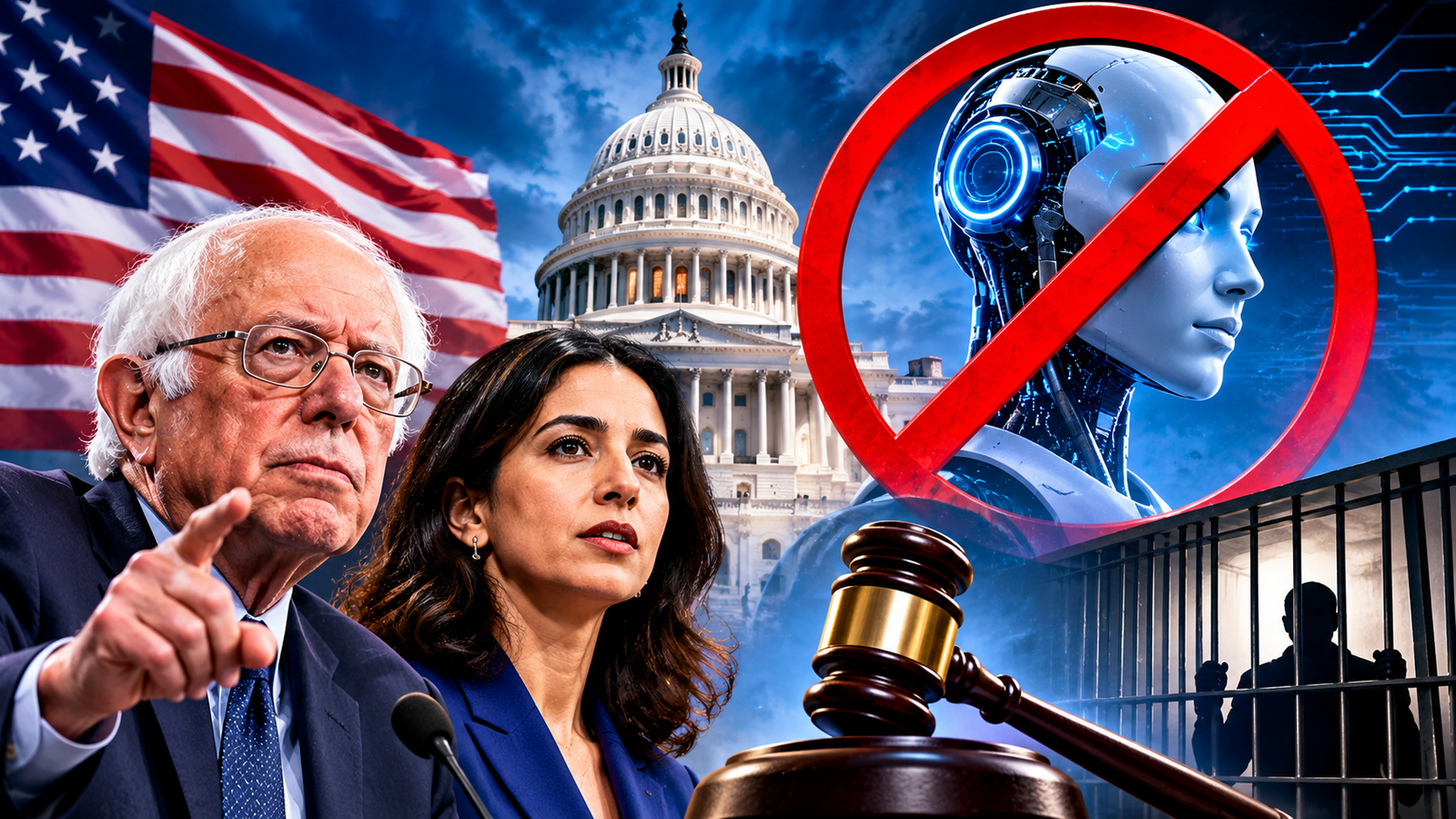
Arizona Representative Yassamin Ansari has called for a pause on advanced AI development and a ban on artificial superintelligence, arguing that the issue should be at the top of the Democratic agenda.
The proposal comes amid concerns about the potential risks of increasingly powerful AI systems, including their ability to operate beyond human control.
Bernie Sanders’ Bill Proposes a Ban on Superintelligent AI
In September, Senator Bernie Sanders and Representative Greg Casar introduced legislation seeking to restrict the development and deployment of superintelligent AI.
The proposed legislation would prohibit the development or deployment of artificial superintelligence. It would also establish a pause on advanced AI development until a new federal regulator creates safety rules and a model-review process.
Under the proposal, a new cabinet-level Department of AI would monitor frontier AI models and oversee efforts to remove dangerous capabilities. These could include systems capable of ignoring shutdown commands.
The bill also proposes severe penalties for companies and individuals that violate its restrictions.
Companies attempting to bypass the rules could face what the proposal describes as a “corporate death penalty”, potentially ending their ability to operate. Individuals could face prison sentences of up to 20 years.
These measures are proposals under legislation, not existing federal penalties.
AI Regulation Becomes an Electoral Issue
The political debate reflects growing public concern about the impact of artificial intelligence.
According to an NBC News exit poll cited in the discussion, AI and data centers were considered a crucial or major factor by 56% of voters in the midterm elections.
The issue extends beyond the technology itself. AI infrastructure requires enormous investments in data centers, electricity, computing chips and water resources, raising questions about its economic, environmental and social consequences.
Can the US Pause Advanced AI Development?
The proposal highlights a fundamental disagreement over America’s AI future: how to maintain technological leadership while preventing potentially dangerous systems from emerging without adequate safeguards.
Supporters of stricter regulation argue that governments should establish enforceable safety standards before AI capabilities advance further. Critics of broad restrictions may question whether a domestic pause could weaken US competitiveness while other countries continue developing advanced AI.
The central challenge for Washington is no longer simply how quickly artificial intelligence can advance, but who should control its development—and what limits should apply before it becomes too powerful to manage.