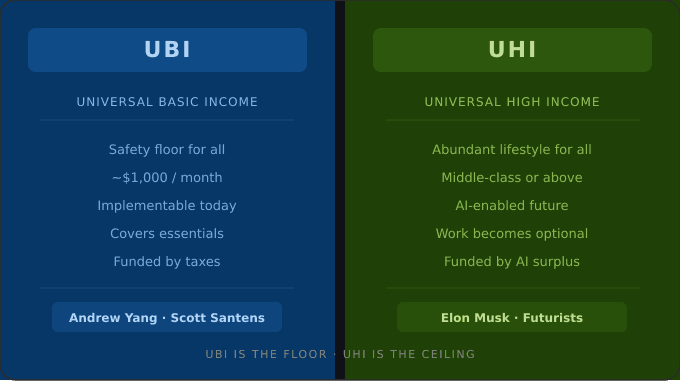
What is UBI (Universal Basic Income)? Periodic unconditional cash payments to all individuals — no means-testing or work requirements. Set at or near poverty-line level (a “floor”...
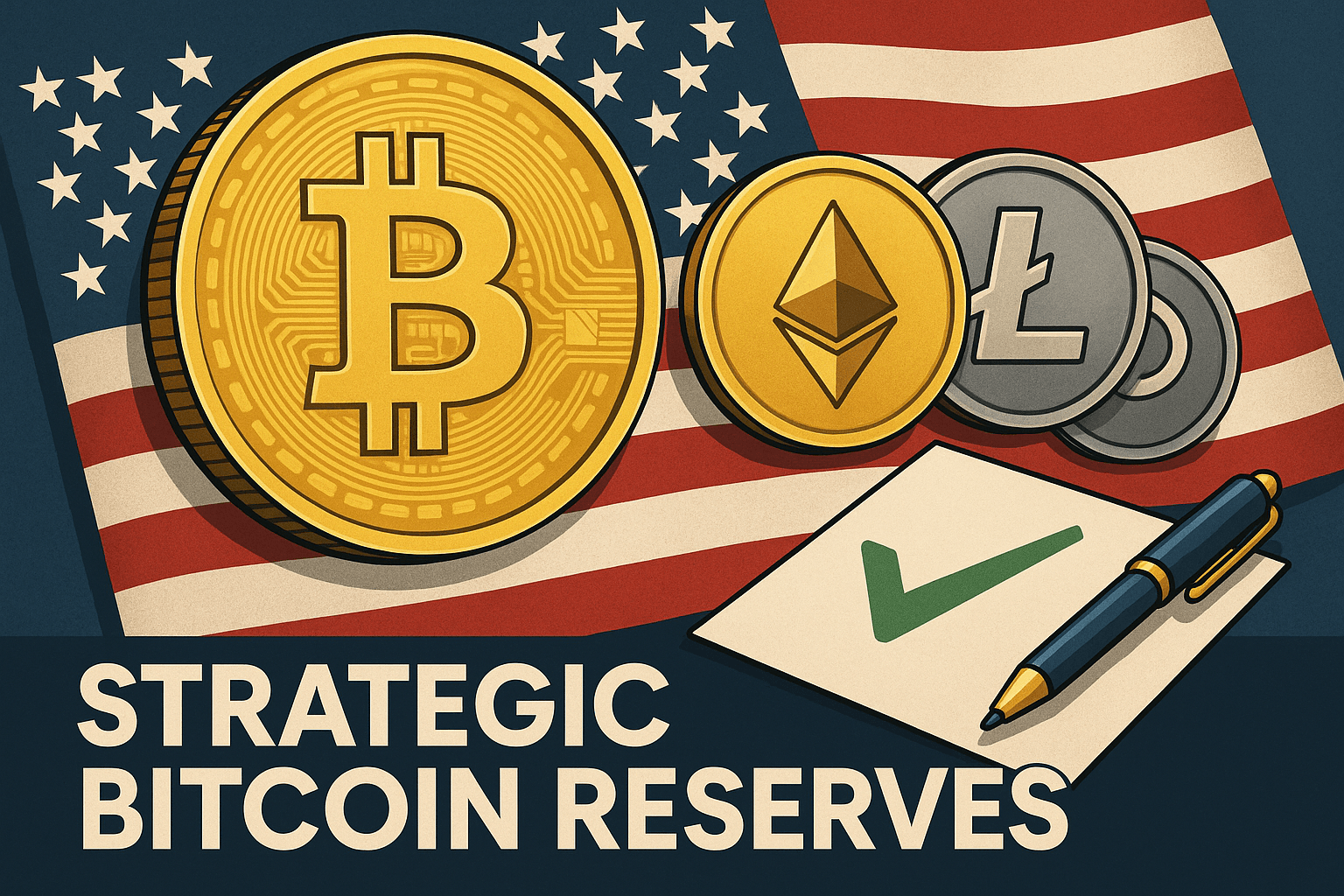
In 2025, the concept of state-managed Bitcoin and digital asset reserve funds has transitioned from theoretical discussions to tangible policy implementations across various jurisdictions. Governments...
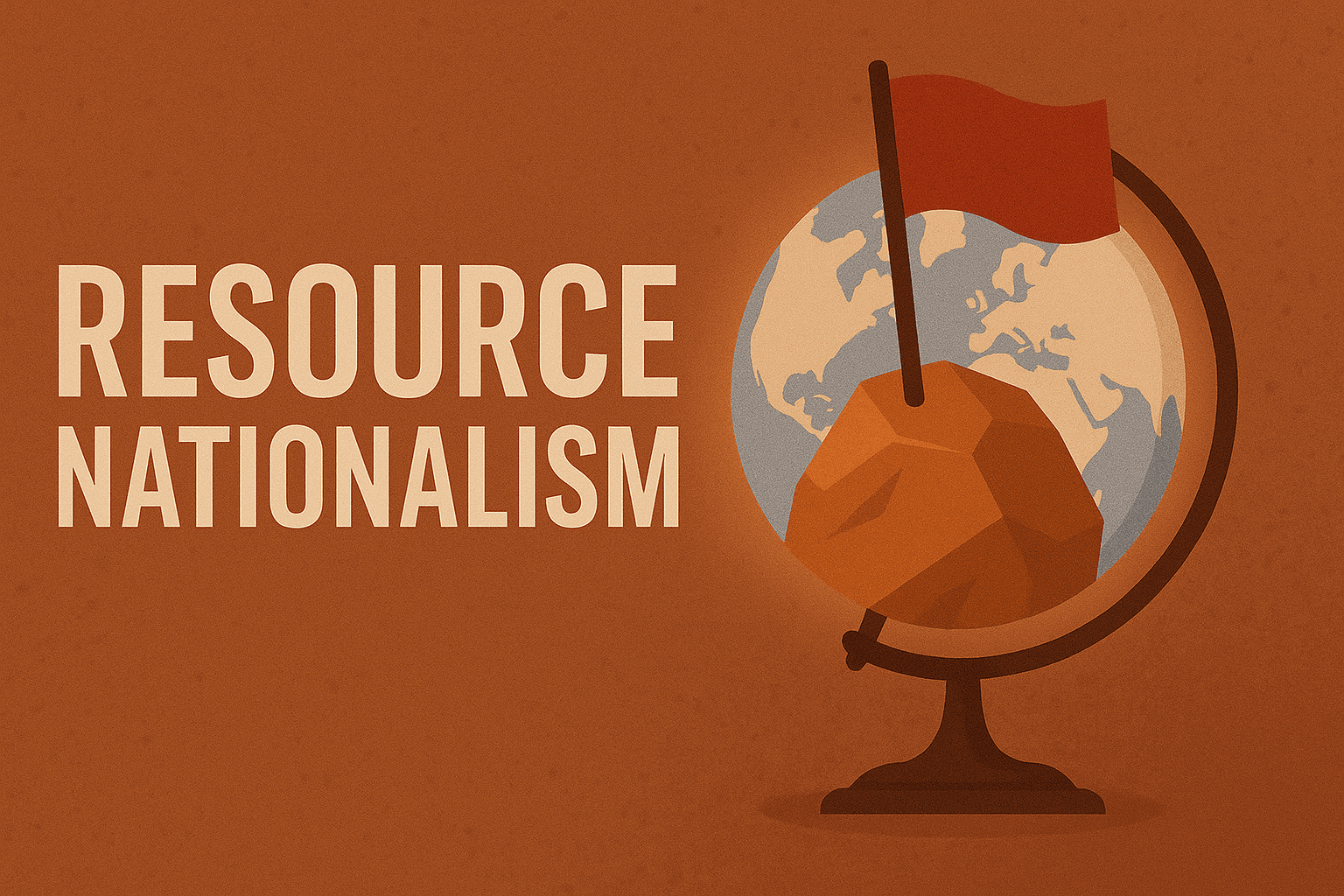
Resource nationalism refers to a country’s efforts to assert greater control over its natural resources—often through state ownership, export restrictions, or taxation—to maximize domestic benef...

In today’s hyperconnected world, the line between work and personal life is increasingly blurred. With emails, messages, and calls pouring in even outside office hours, employees often struggle to mai...
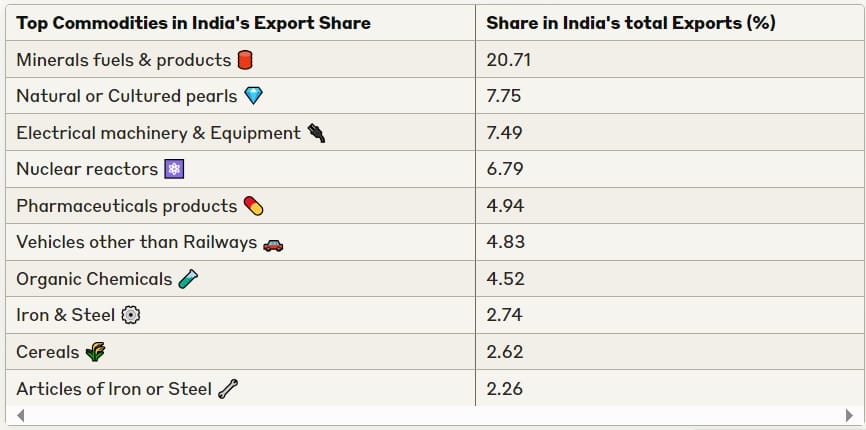
As India continues its steady march towards becoming a global economic powerhouse, a closer look at the country’s export data reveals a dynamic and diversified trade landscape. The top commoditi...
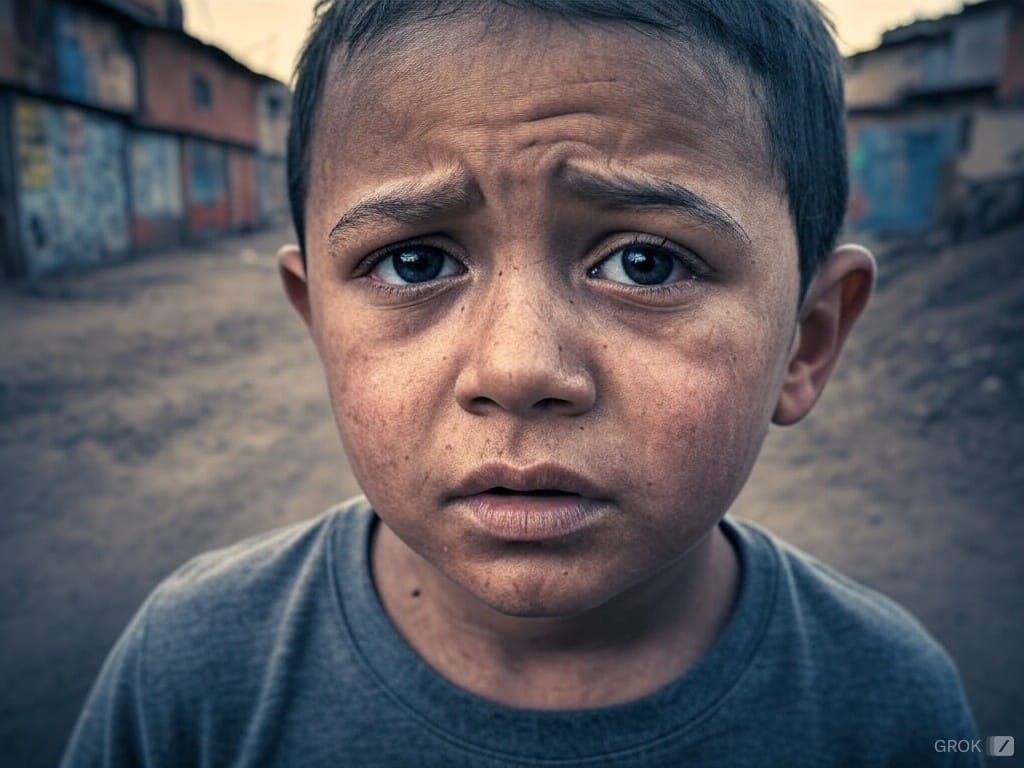
By 2050, our world will face a complex web of interconnected challenges. From persistent poverty and hunger to climate change and resource scarcity, the next three decades will test humanity’s c...
India’s economic growth has slowed down to 5.4% in the second quarter of FY25, a significant drop from last year’s 8.1%. This indicates a weakening economy. In today’s volatile econo...
The global economic landscape is experiencing a critical moment of tension as BRICS nations explore alternatives to the U.S. dollar. However, the United States is not about to passively watch potentia...

In the digital age of instant gratification, Gen Z is facing a financial paradox that could reshape economic landscapes for generations to come. Buy Now, Pay Later (BNPL) services have emerged as both...
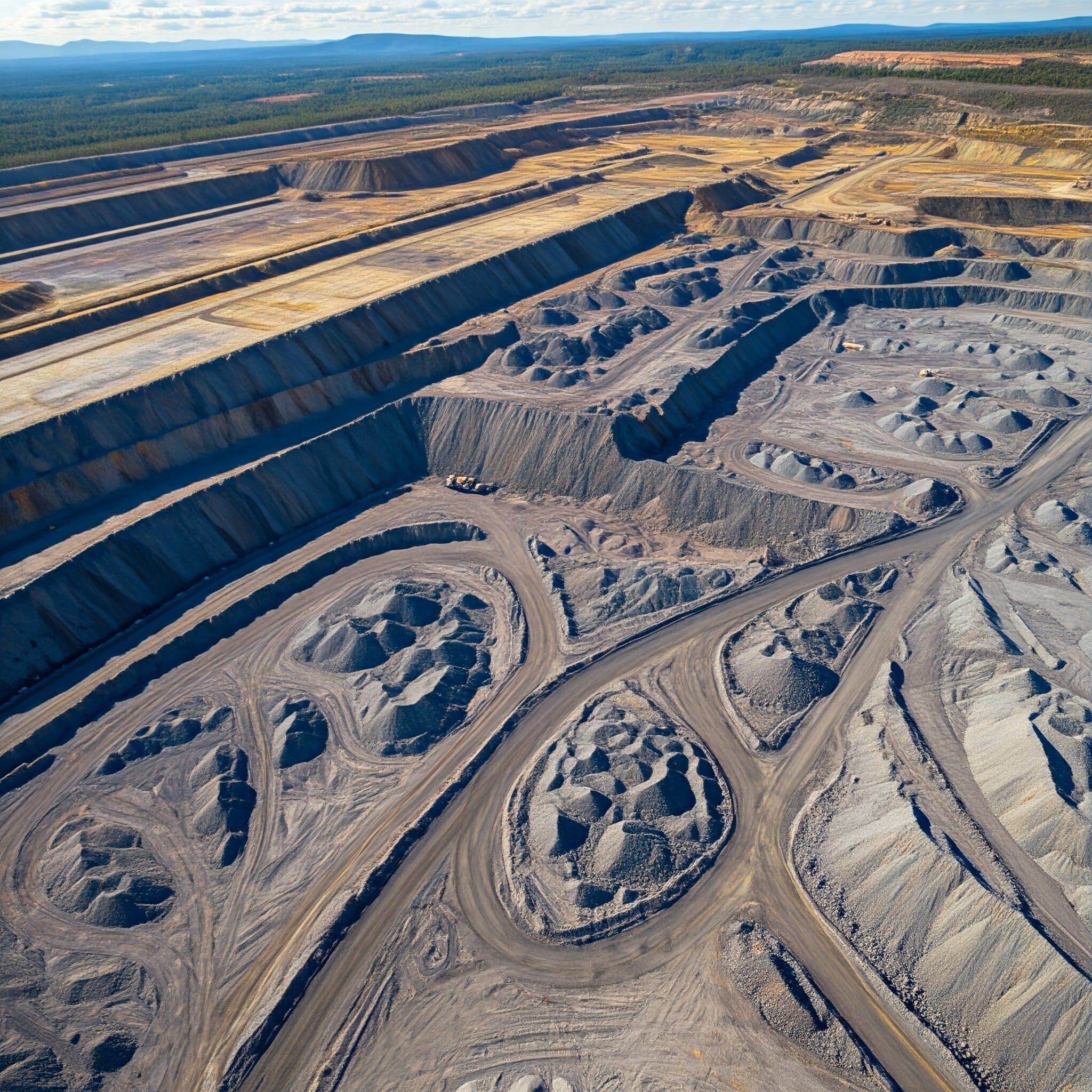
The Union Budget 2024-25 introduced a transformative Critical Mineral Mission, reflecting India’s strategic focus on securing essential mineral resources, promoting recycling, and acquiring overseas m...