
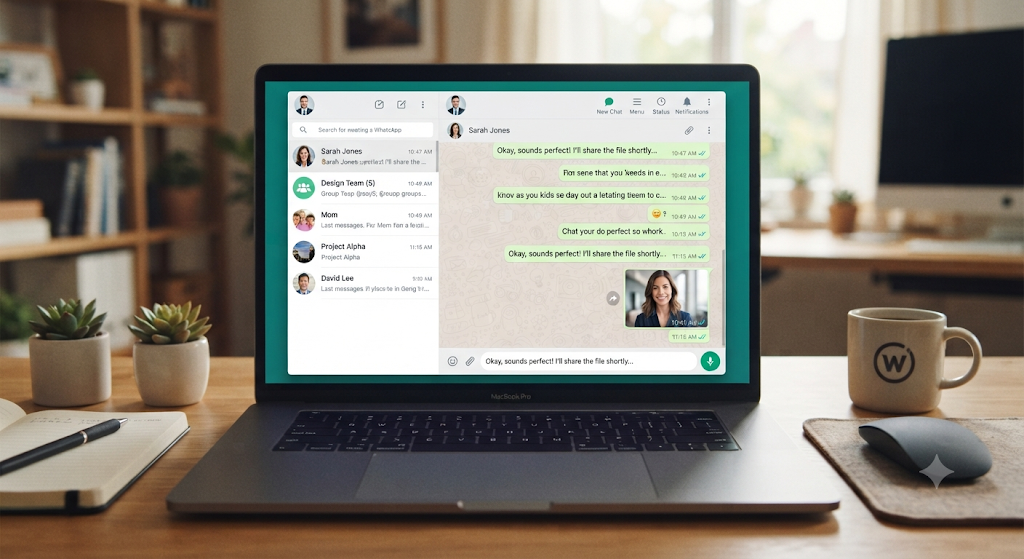
Avoid WhatsApp Web for Sensitive Work: Home Ministry Issues Cybersecurity Advisory Amid Defence Group Infiltration Alerts
India’s Ministry of Home Affairs has issued a strong cybersecurity advisory cautioning users against relying on WhatsApp Web for official or sensitive communications. The guidance from the National Cybercrime Threat Analytics Unit (NCTAU) of the Indian Cyber Crime Coordination Centre (I4C) comes as intelligence agencies probe the infiltration of multiple defence-related WhatsApp groups by Pakistan-based operatives.
The advisory, dated 18 November 2026 and widely reported on 23 November, warns that an authenticated WhatsApp Web session can, under certain circumstances, be misused to gain unauthorised access to a user’s account. Malicious actors could read private messages, send communications while impersonating the account holder, access contacts and group conversations, and exploit the user’s trusted identity for fraud, phishing, social engineering or other malicious activities.
Users are specifically advised to exercise caution on office computers, shared systems, public computers or any devices accessible to others. The Ministry stresses that government, organisational, financial, confidential or other sensitive information should preferably not be exchanged through WhatsApp Web sessions on computers.
This general warning gains added urgency against the backdrop of a parallel security concern. Indian cyber and intelligence agencies detected Pakistan-based intelligence operatives infiltrating dozens of unofficial WhatsApp groups linked to defence, paramilitary and security personnel. Operatives allegedly used spoofed or compromised Indian mobile numbers to join groups associated with the NSG, CRPF, commandos, defence forces, civilian employees and even topics touching on DRDO-related matters. Many remained silent “dead members,” quietly monitoring conversations without drawing attention. Reports indicate close to 50 groups came under scrutiny, prompting a nationwide audit and directions to remove unverified members.
Key Precautionary Measures Recommended by I4C
- Avoid official or sensitive work entirely on WhatsApp Web.
- Do not keep WhatsApp Web permanently logged in, especially on office or shared computers.
- Always log out manually after each session — simply closing the browser tab or window does not end the authenticated session.
- Use Incognito or Private Browsing mode on a trusted computer when temporary use is unavoidable, then log out before closing the browser.
- Never log in from cyber cafes, public kiosks, hotel business centres, borrowed computers or other untrusted systems.
- Stay alert to unusual account activity such as unexpected messages or unexplained replies.
- Keep operating systems, browsers and security software updated and avoid suspicious downloads or untrusted software.
These steps aim to reduce the risk of session hijacking and impersonation. Defence and security organisations have already been directed to audit group memberships, exit suspicious chats and strengthen internal cyber-awareness.
The dual developments — a formal public advisory on WhatsApp Web risks and the exposure of foreign intelligence monitoring of defence-related groups — underscore the vulnerabilities of popular messaging platforms for sensitive information. While WhatsApp remains convenient for everyday communication, official and security-related exchanges demand stricter digital hygiene and, where possible, more secure official channels.
Individuals and organisations handling confidential data should treat the Home Ministry’s guidance as essential practice. Consistent logout habits, restricted use on shared devices and regular group audits can significantly limit exposure in an increasingly contested cyber environment.