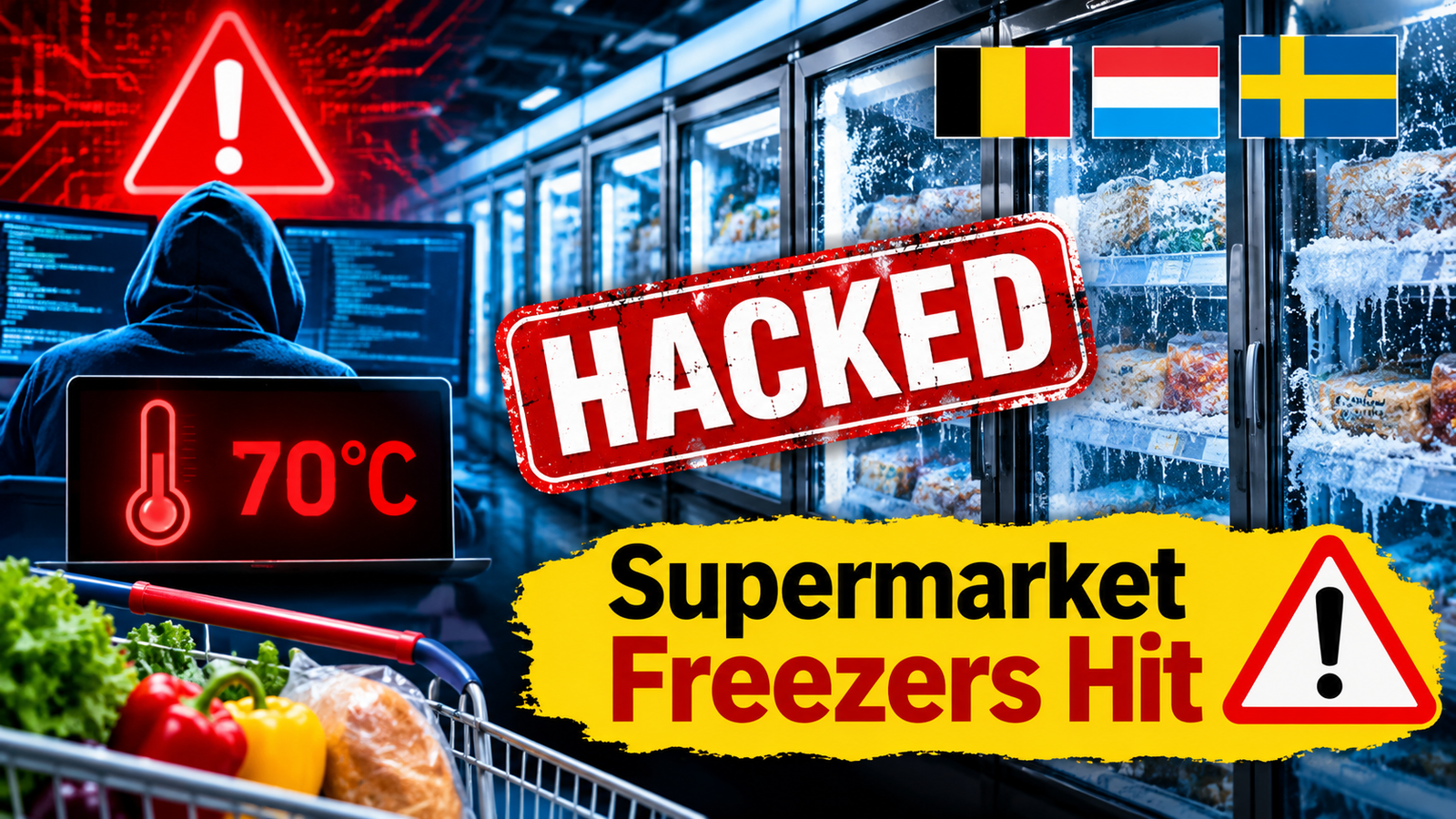
Cyberattacks overnight disrupted refrigeration at multiple ICA and Coop stores in southern Sweden, plus Delhaize, Carrefour, and Spar outlets in Belgium, causing temperatures to soar and spoiling vast amounts of food. Staff emptied freezers amid melting ice and water on floors, with stores closing temporarily while discarding ruined stock expected to cost millions of euros. The incidents echo similar hits on French supermarkets last month, spotlighting weak security in internet-linked cooling systems, though no links or culprits have been confirmed.
A suspected cyberattack targeting supermarket refrigeration systems in Sweden has raised fresh concerns about the security of connected devices used in essential retail infrastructure. Several grocery stores reported unusually high temperatures in their refrigerators and freezers overnight, with one store blaming hackers for the incident.
The disruption comes just weeks after French investigators reported a separate incident involving supermarket cooling systems, highlighting how cyberattacks against operational technology can cause physical damage and financial losses without directly targeting conventional computer networks.
What Happened in Sweden?
On November 2, 2026, Swedish grocery operators ICA and Coop confirmed that a limited number of stores had experienced problems with their refrigeration and freezer systems.
ICA said several stores were affected by an overnight incident that disrupted cooling equipment. Coop told Swedish newspaper Aftonbladet that six of its stores had experienced similar problems.
One affected Swedish store said on social media that its refrigeration settings had been changed to 50°C (122°F). Reports circulating online also described incidents involving temperatures reaching as high as 70°C (158°F), although that higher figure was not independently established in the supplied reporting.
Such temperatures are far beyond the normal operating range of food refrigeration and freezing equipment. If cooling systems remain compromised for an extended period, perishable food can become unsafe, potentially forcing retailers to discard large quantities of stock.
As of the reported statements, the precise total financial losses and the full extent of the Swedish disruption remained unclear.
Belgium and Luxembourg Also Reported Affected
The disruption appears to extend beyond Sweden. A Financial Times report published on November 2 said dozens of supermarkets in Belgium and Luxembourg had also been affected by incidents involving refrigeration systems. The report cited around 40 Delhaize stores, 15 Carrefour stores and five Spar stores in Belgium.
However, the incidents have not yet been conclusively linked to a single coordinated cyberattack. Investigators and retailers will need to establish whether the disruptions share a common technical cause.
Why Connected Refrigeration Systems Are Vulnerable
Modern supermarkets rely on digital control systems that allow refrigeration equipment to be monitored and adjusted remotely. These capabilities improve efficiency but can create security risks when systems are exposed to the internet, use weak access controls or run outdated software.
A similar attack in France in October reportedly affected hundreds of supermarkets, causing food losses and fires. Investigators identified vulnerabilities involving older refrigeration-control software as a potential concern.
The latest incidents highlight a broader cybersecurity lesson: digital attacks can disrupt physical infrastructure, damage businesses and threaten food safety without stealing customer data.
Retailers may need stronger network isolation, updated firmware, secure remote access and better monitoring to reduce these risks.
As investigations continue, the key questions are whether the European incidents are connected, how attackers gained access and how much food and equipment were lost.