
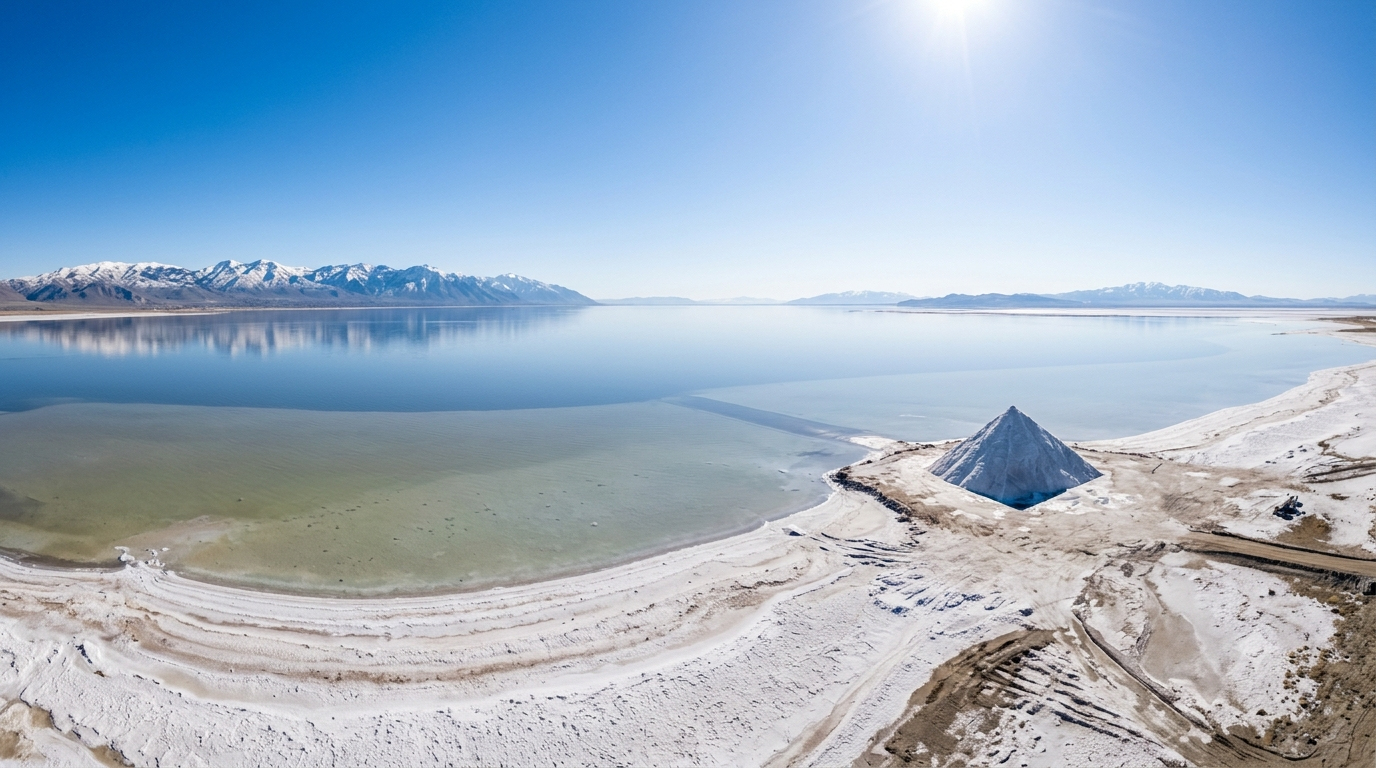
USA — Great Salt Lake, Salton Sea
Mexico — Lake Cuitzeo
Bolivia — Lake Poopó
Iran — Lake Urmia
Kazakhstan / Uzbekistan — Aral Sea
Kazakhstan — Lake Balkhash
Turkey — Lake Akşehir
China — Lake Ebinur
Mongolia — Mongolian Plateau Lakes
Jordan / Israel / West Bank — Dead Sea
Kenya — Lakes Bogoria and Nakuru
Namibia — Lake Oponono
Australia — Lake Corangamite
What are salt lakes?
- Salt lakes are inland water bodies with high concentrations of dissolved salts.
- They are threatened by climate change and excessive water use.
- They support unique ecosystems and biodiversity.
Why are salt lakes important?
- Provide habitats for specialised plants and animals.
- Support migratory birds and other wildlife.
- Contribute to regional ecological balance.
- According to the infographic, salt lakes are home to up to 200 species on the IUCN Red List of Threatened Species.
Major salt lakes shown on the map
| Region | Important salt lakes |
|---|---|
| North America | Great Salt Lake, Salton Sea, Lake Cuitzeo |
| South America | Lake Poopó |
| Central and West Asia | Caspian Sea, Aral Sea, Lake Balkhash, Lake Urmia, Dead Sea, Lake Aksehir |
| East and Central Asia | Lake Ebinur, Mongolian Plateau lakes |
| Africa | Lakes Bogoria and Nakuru, Lake Oponono |
| Australia | Lake Corangamite |
Major threats
- Climate change: Higher temperatures increase evaporation and intensify drought.
- Excessive water extraction: Rivers and groundwater are diverted for agriculture and human consumption, reducing lake inflows.
- Habitat degradation: Shrinking lakes threaten wildlife and ecological functions.
- Increasing salinity: Changes in water balance can alter the lake’s chemical composition and disrupt ecosystems.
Examples of vulnerable lakes
- Great Salt Lake (USA): Faces declining water levels due to drought and water diversion.
- Aral Sea (Central Asia): Dramatically shrank following large-scale diversion of rivers for irrigation.
- Lake Poopó (Bolivia): Has experienced severe drying linked to drought and human water use.
- Lake Urmia (Iran): Has suffered major shrinkage due to water diversion, dam construction and climatic pressures.
Why their decline matters
- Loss of biodiversity and threatened species.
- Disruption of habitats and food chains.
- Exposure of lakebeds can create dust pollution and affect human health.
- Economic and livelihood losses for communities dependent on lake ecosystems.
Conservation measures
- Regulate water extraction and groundwater use.
- Restore environmental flows from rivers.
- Promote efficient irrigation and sustainable agriculture.
- Monitor lake levels, salinity and biodiversity.
- Coordinate conservation across river basins and national borders.
Key takeaway
Salt lakes are biodiversity hotspots under growing pressure from climate change and human water consumption. Protecting them requires sustainable water management, habitat restoration and international cooperation.